A Guide to Beacon top Paving Contractor for Long-Lasting Results
A Guide to Beacon top Paving Contractor for Long-Lasting Results
Blog Article
Paving Solutions: Enhance Your Property With Skilled Paving Services
Professional paving services deliver significant advantages for real estate enhancement. They not only improve aesthetics but also increase functionality. Choosing the proper materials, such as bitumen or interlocking pavers, can ensure durability and style. The installation process is essential for achieving lasting results. Yet, many homeowners fail to consider essential maintenance practices that can extend the life of their investment. Understanding these elements is key for informed decision-making about outdoor spaces. What comes next may surprise you.
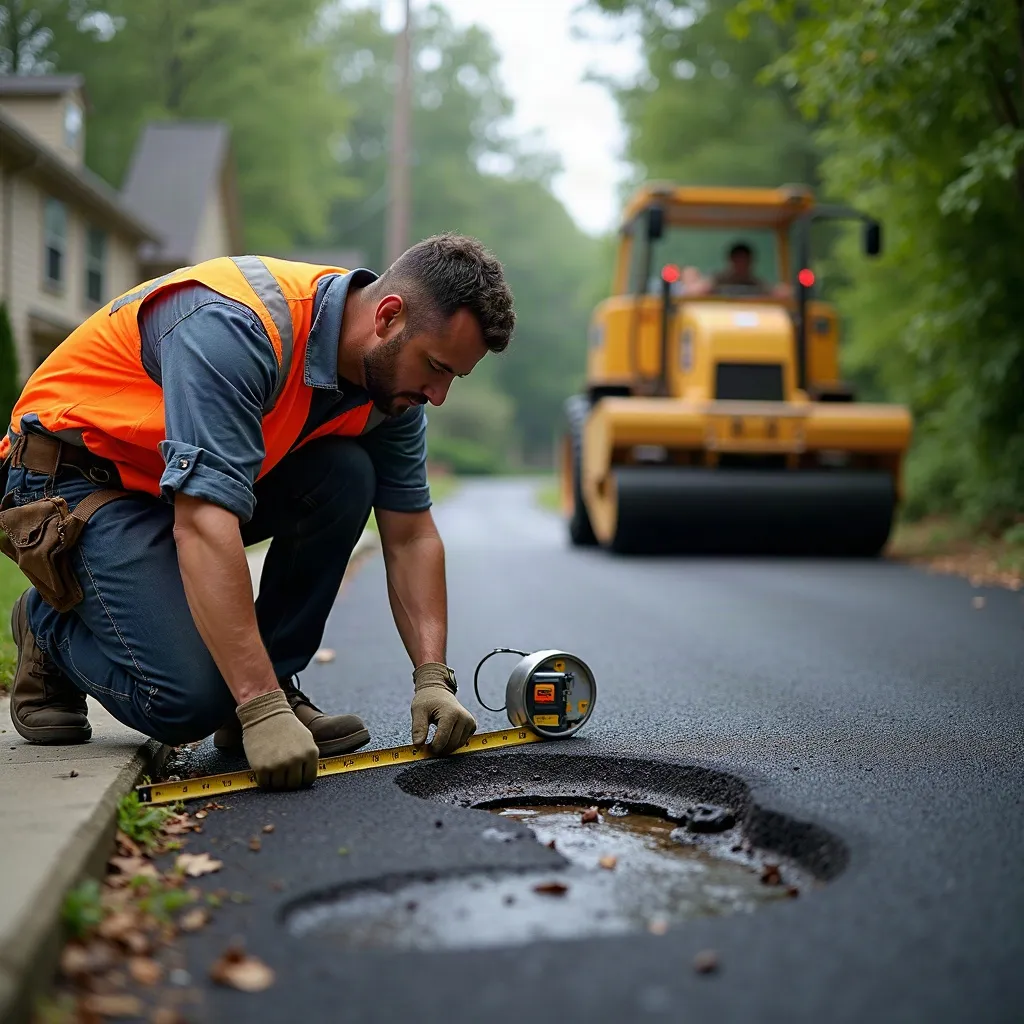
Expert Concrete Solutions Boost Your Property Appeal
Professional pavement services enhance outdoor spaces, improving both functionality and aesthetics. By leveraging expert methods and modern equipment, these services guarantee the careful groundwork and installation of various pavement types. This meticulous focus results in sturdy, resilient outcomes that resist wear and tear while preserving visual appeal.
Furthermore, professional paving increases home worth, creating appealing walkways, driveways, and patios that appeal to potential buyers. A properly paved surface boosts safety by reducing hazards like rough terrain and thick dirt, contributing to a more enjoyable outdoor experience.
Additionally, experienced professionals can offer bespoke solutions tailored to personal tastes, ensuring that each project matches the property's unique character.
Determine the Best Paving Materials for Your Undertaking
In what ways can homeowners find the most appropriate paving materials for their projects? Selecting the correct material matters for both looks and function.
First, property owners should examine the specific use of the paved area. For driveways, durable materials like asphalt or concrete are often preferred due to their toughness and lasting quality. In contrast, for patios or walkways, selections like pavers or bricks can present aesthetic attractiveness and range of uses.
Next, climate has a substantial part. Areas with heavy rainfall may gain advantage from porous substances that allow for better drainage, decreasing the likelihood of water overflow.
Furthermore, maintenance requirements should be evaluated; some materials require more maintenance than others.
Ultimately, financial restrictions will shape the decision. While high-quality materials may demand a larger upfront investment, they frequently produce extended financial advantages through durability and reduced repair expenses.
Consequently, thoughtful evaluation of these factors will guide property owners to make well-reasoned decisions.
Asphalt Paving Benefits
Asphalt paving emerges as a leading option for homeowners seeking long-lasting and cost-effective solutions for their driveways and walkways. One of its main advantages is its durability; asphalt can endure heavy traffic and harsh weather conditions, making it ideal for residential use.
In addition, asphalt is reasonably economical relative to other paving materials, facilitating homeowners to accomplish a superior quality appearance without going over budget. The installation process is also expedient, routinely wrapped up within a day, lessening disruption to daily life.
Moreover, asphalt is hassle-free to care for, needing only periodic maintenance coatings to prolong its useful life. These merits make asphalt paving a smart and economical option for enhancing property visual appeal and functionality.
Interlocking Paver Perks
For property owners considering paving options, interlocking pavers offer distinct advantages that improve both aesthetics and functionality.
These adaptable pavers come in different shapes, colors, and textures, enabling creative design possibilities that can complement any property style. Additionally, interlocking pavers deliver superior durability, avoiding cracking and shifting, which is particularly advantageous in regions with fluctuating temperatures.
Moreover, their distinctive structure promotes efficient water drainage, reducing the likelihood of flooding and erosion. This porosity also contributes to ecological preservation by allowing rainwater to replenish groundwater supplies.
In the end, the straightforward installation and maintenance makes interlocking pavers a wise selection, allowing homeowners to appreciate their stunning appearance without related resource substantial maintenance demands.
Initial Site Assessment
What components influence the first site assessment for paving installation? Several crucial elements are involved during this essential stage. First, the topography of the land is analyzed to spot any slopes or drainage issues that could influence the paving process. Next, the existing soil conditions are assessed, as different soil types can affect stability and durability. Additionally, site accessibility is taken into account to establish how equipment and materials will be moved. Local regulations and zoning laws are also examined to ensure compliance. Finally, existing structures and vegetation are assessed to account for any necessary removal or protection. This thorough evaluation lays the groundwork for a successful paving project, making sure that all potential challenges are handled from the outset.
Setup Stages Broken Down
With a full site survey finished, the paving installation phase can proceed.
The initial phase includes ground preparation, where any existing materials are cleared and the ground is flattened. After that, a foundation layer is placed, typically consisting of aggregate or stone chips, which offers stability and drainage.
Subsequently, the selected paving material—such as asphalt or concrete—is installed. This phase necessitates precise installation to assure a smooth finish and proper alignment.
After the asphalt surface is installed, it is compacted to increase durability. Finally, curing happens, letting the material to set properly.
Throughout the process, effective communication with the property owner is essential to resolve any issues and guarantee satisfaction with the final result.
Pavement Upkeep Guidelines for Extended Life
Despite asphalt areas being designed for long-lasting performance, regular maintenance is essential to guarantee their extended life. Routine inspections must be performed to identify cracks, potholes, or signs of wear. Timely fixes can avoid further damage and prolong the durability of the pavement.
Moreover, keeping the surface free of debris is essential; debris, greenery, and dirt can trap moisture, which leads to deterioration. Regular cleaning and periodic power washing support maintain a pristine appearance and functionality.
Applying sealant every few years can shield the surface from weathering and UV damage, while also improving its visual appearance.
To summarize, managing drainage difficulties is significant. Proper drainage systems prevent water gathering, which can weaken the paving material over time.
How to Discover a Dependable Paving Contractor
Locating a dependable paving contractor is a vital step for property owners working to install or enhance their paving surfaces. To commence, individuals should request recommendations from acquaintances, loved ones, or neighboring enterprises that have in recent times completed paving projects. Online reviews and feedback can also deliver insights into a contractor's reputation.
Once potential vendors are found, it is vital to verify their certifications, including licenses and insurance. A professional tradesperson should present a detailed written proposal that outlines the work scope, materials, and timeline.
Additionally, requesting endorsements from previous clients can help evaluating the contractor's reliability and quality of work. It's furthermore advisable to inquire into guarantees on materials and workmanship.
Ultimately, maintaining open communication and transparency during first meetings can build a trusting relationship, resulting in a successful paving project that meets expectations.
Popular Questions Asked Often
How much time Will a Standard Paving Project Take to Complete?
A typical paving project generally requires 1-3 days to complete, based on factors such as the size of the project, complexity, climate, and prep work needed. Effective planning can assist in expedite the work efficiently.
What Permits Are Required for Paving Installation?
Generally, pavement installation needs permits including local construction permits, zoning permits, and environmental evaluations. Requirements vary depending on location, so consulting local authorities guarantees compliance with mandatory legal obligations for the work.
Can Asphalt Laying Work in Winter or Rainy Seasons?
Paving can be problematic during winter or rainy seasons due to temperature and moisture concerns. Cold weather can obstruct proper curing, while excessive rain may cause surface issues, leading to potential long-term damage. Strategic forethought is vital.
What Should I Do if My Asphalt Cracks?
If pavement fractures, the first step is to assess the damage. Next, clean the area completely, fill the cracks with appropriate sealant, and think about expert services to avoid additional damage and maintain safety.
What methods can I use to determine whether my pavement specialist is properly licensed?
To confirm whether a paving contractor is licensed, you should validate credentials via local licensing boards, obtain a copy of their license, and confirm insurance protection, ensuring compliance with industry regulations and safety standards.
Report this page